Futuretechgirls gaming rocks blend music energy and tech skill to change games. The movement draws players who code, design, and stream. It mixes bold visuals, DIY hardware, and social creativity. The movement makes play more musical, social, and technical. The next wave of players will expect games to feel live, loud, and made by people like them.
Key Takeaways
- Gaming Rock FutureTechGirls blend music, coding, and DIY craftsmanship to create engaging and social gaming experiences that resonate with young creators.
- This movement empowers girls and women by lowering barriers and providing visible roles in game design, performance, and community curation.
- Key technologies like AI, AR/VR, cloud services, and social platforms accelerate content creation, enable live performances, and facilitate rapid iteration and sharing.
- FutureTechGirls promote modular game design and interactive storytelling that invites player input, enhancing creativity and player authorship.
- Strong community support, educational initiatives, and industry partnerships form a growth pipeline that helps new creators transition from hobbyists to paid professionals.
- The culture’s integration of musical play and technology fosters inclusive spaces and career opportunities for girls interested in gaming and tech.
Why Gaming Rock Culture Resonates With FutureTechGirls
Gaming rock futuretechgirls appeal to young creators because it links music, craft, and code. She sees a game jam and hears a guitar loop. He builds a synth controller and tests it on a beta map. They want immediate feedback and public moments. The culture values DIY gestures and stage-ready visuals. It rewards short-form performance and remixing assets. Fans join because projects feel personal and sharable. Brands and studios notice strong followings at meetups and on live streams. The trend overlaps with indie games, music hardware, and cosplay. It lowers barriers for women and girls who code or mod. It gives them visible roles as designers, performers, and curators. The culture also aligns with platform economics. Platforms favor live clips, short videos, and social hooks. That distribution model boosts creators who combine gameplay and musical performance. The result grows a distinct identity that attracts both players and partners.
How FutureTechGirls Are Redefining Game Creation And Storytelling
FutureTechGirls change game creation by mixing tools and performance. She prototypes levels while jamming on a controller. He scripts narrative beats that sync with a soundtrack. They favor modular design and iterative releases. Teams publish short chapters and remix packs. Storytelling becomes scene-based and adaptable. Creators write scenes that players can reorder or score. They invite audience input during live sessions. That input guides plot branches and art updates. The result gives players a sense of authorship. Designers use simple engines and open assets to speed work. They share templates and voice packs to lower entry cost. Mentors offer short lessons and feedback loops. The approach shifts value from single, polished releases to ongoing creative shows. Publishers respond by funding episodic projects and community tools. The shift expands roles for producers, audio designers, and community managers. It also creates visible career paths for girls who want both stage time and studio work.
Key Technologies Powering This Movement: AI, AR/VR, Cloud, And Social Play
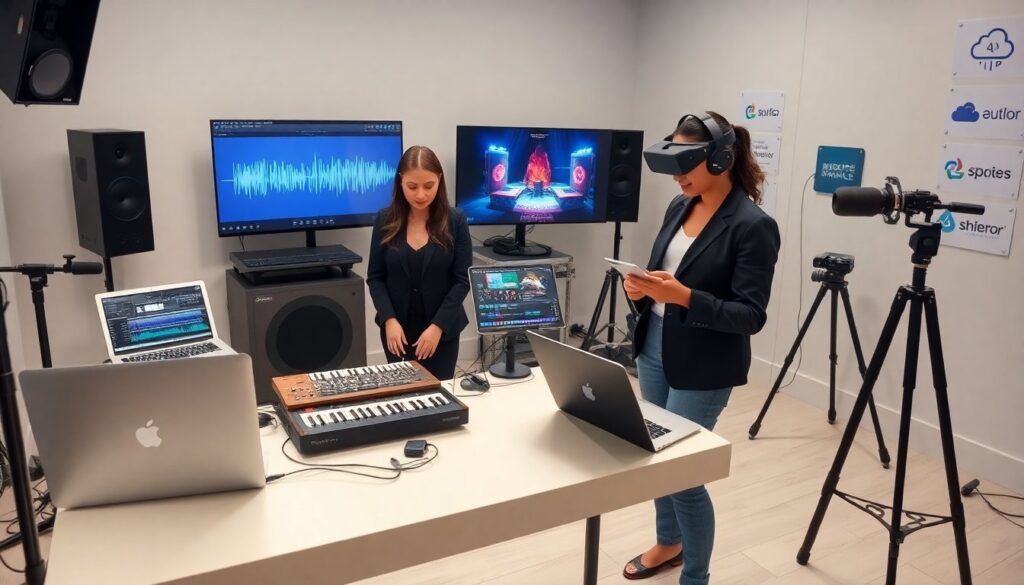
AI helps creators generate assets fast. She uses an AI to draft music loops. He uses an AI to suggest level layouts. AI speeds iteration and lowers technical cost. AR/VR offers new performance stages. Players wear headsets or use phone overlays to add visual effects. That tech turns local jams into shared live shows. Cloud services host game sessions and streaming layers. They let small teams scale play tests and live events. Social platforms supply distribution and monetization. Creators post clips, run live shows, and sell modular packs. Payment APIs let fans tip or buy assets inside streams. Combined tech creates a fast feedback loop. Creators test ideas, gather reactions, and update content within days. The loop rewards creators who iterate in public. Tools also add safety features, moderation, and analytics. Those features help communities stay healthy and creators stay informed. The tech mix makes musical play easier to produce and easier to share.
How Communities, Education, And Industry Support Will Scale The Movement
Communities form the backbone of gaming rock futuretechgirls. Local meetups host jams and hardware workshops. Online groups share templates and critique builds. Schools add short courses that teach audio design, scripting, and streaming basics. Nonprofits grant microfunds to projects led by girls. Industry partners sponsor jams and provide cloud credits. Publishers offer mentorship and early access to tools. That support lowers risk for new creators. It also creates visible pathways into jobs. Hiring teams scout live streams and community projects for talent. Educational programs emphasize project-based learning and public demos. They teach version control, modular design, and audience testing. Community leaders set norms for inclusion and conduct. They run reporting channels and quick dispute resolution. The combination of community, school, and industry creates a steady pipeline. That pipeline moves creators from hobby projects to paid roles in audio, design, and production. It also helps keep more girls engaged long term.
More Stories
The Subculture of “Ethical Gambling”: Can It Exist?
Gaming and Tech Access Anywhere: Getting Started with Proxy-Cheap Static Residential Proxies
FutureTechGirls: How Gaming Rocks The Path To Tech Leadership In 2026