
UnfGaming
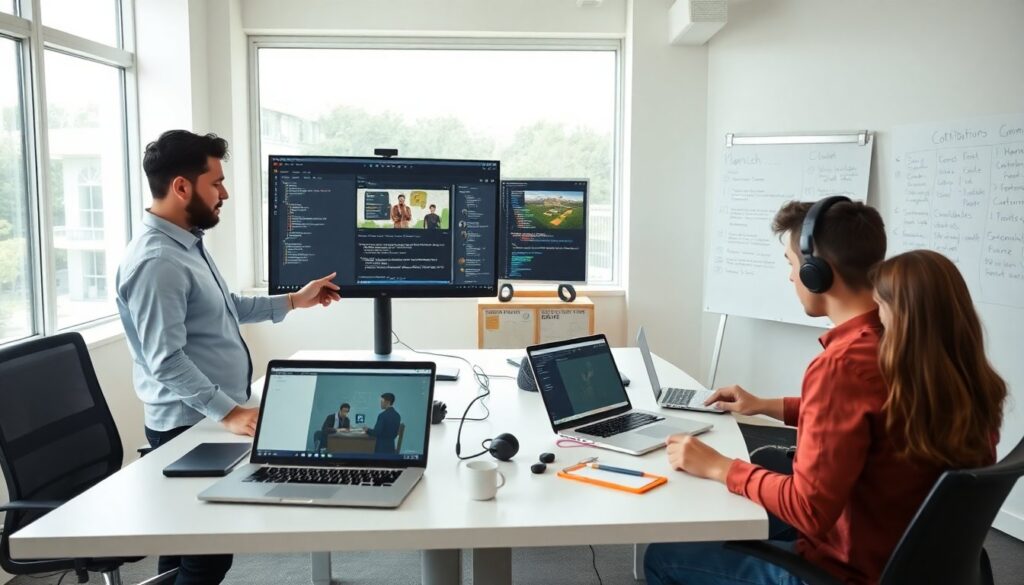
UnfGaming is a community-driven gaming movement centered on player creativity, modding, experimentation, and collaborative game development. Rather than focusing solely on playing finished games, UnfGaming encourages participants to modify mechanics, create new content, build custom servers, and contribute directly to evolving projects.
What UnfGaming Means
The term UnfGaming represents an approach to gaming where players become creators. Community members build mods, design new rulesets, experiment with gameplay systems, and share tools that allow others to customize their experience.
The philosophy emphasizes:
- Player authorship
- Open collaboration
- Rapid experimentation
- Community-driven development
- Accessible creation tools
- Shared learning and contribution
Origins Of UnfGaming
UnfGaming began as a small modding community focused on removing restrictions from existing games and exploring alternative ways to play. Early contributors experimented with gameplay mechanics, custom assets, and community servers.
Over time, the concept expanded beyond individual mods and became a broader culture that values creativity, iteration, and shared ownership of projects.
Instead of waiting for official updates, community members actively shape their own experiences through collaborative development.
The UnfGaming Community
The UnfGaming community includes a diverse group of participants:
- Independent developers
- Mod creators
- Artists and designers
- Server administrators
- Writers and storytellers
- Playtesters
- Casual gamers
- Open-source contributors
Members often collaborate through repositories, forums, chat platforms, and community servers where they share ideas, feedback, assets, and technical resources.
Gameplay Philosophy
UnfGaming projects frequently prioritize experimentation over strict balance. Designers remix mechanics, blend genres, and introduce systems that encourage creativity.
Common gameplay elements include:
- Player-created content
- Modular level design
- Persistent community worlds
- Custom rule variations
- Emergent gameplay systems
- Collaborative storytelling
- Community economies
- Flexible progression systems
Many projects evolve continuously as players contribute new ideas and improvements.
Narrative And Experimental Design
Storytelling plays an important role within UnfGaming communities. Rather than relying solely on scripted narratives, many projects allow player decisions to influence outcomes.
Popular experimental approaches include:
- Branching story paths
- Dynamic world events
- Community-created quests
- Adaptive dialogue systems
- Time-loop mechanics
- Asymmetric gameplay roles
- Player-generated lore
These mechanics encourage replayability and create unique experiences for different groups of players.
How To Get Started With UnfGaming
New participants can begin contributing without extensive experience. Most communities provide starter projects, tutorials, and documentation designed for newcomers.
A typical onboarding process includes:
- Join a community server or discussion group.
- Download a starter project or mod template.
- Install the recommended development tools.
- Run the project locally.
- Make a small modification.
- Test the change.
- Share feedback or submit contributions.
This gradual approach helps new members learn development workflows while participating in active projects.
Tools Commonly Used
UnfGaming creators often work with accessible development platforms and open-source tools.
Common choices include:
- Godot Engine
- Unity
- Unreal Engine
- Phaser
- GameMaker
- Git repositories
- Community asset libraries
- Collaborative documentation platforms
These tools allow contributors to build, modify, and share projects efficiently.
Community Best Practices
Successful UnfGaming projects typically follow several core practices:
- Document changes clearly.
- Respect asset licenses.
- Credit contributors properly.
- Provide beginner-friendly documentation.
- Encourage constructive feedback.
- Keep projects accessible to newcomers.
- Maintain transparent development processes.
These standards help communities remain welcoming and sustainable as they grow.
The Future Of UnfGaming
The future of UnfGaming points toward increasingly collaborative development environments. Emerging trends include browser-based editing tools, cloud-hosted project collaboration, shared asset registries, and AI-assisted content generation.
As creation tools become more accessible, communities can produce increasingly sophisticated projects without large development teams.
The broader influence of UnfGaming may extend into mainstream game development by demonstrating how open participation, community ownership, and player-driven innovation can create engaging and original gaming experiences.
Who UnfGaming Is For
UnfGaming appeals to players who enjoy both playing and creating. It is particularly valuable for people interested in modding, game design, collaborative development, storytelling, and experimental gameplay.
Whether someone wants to build a small modification, contribute artwork, test new mechanics, or help shape entire game worlds, UnfGaming provides a framework where creativity and community participation are central to the experience.
More Stories
FutureTechGirls.com Gaming: A Practical Guide To Games, Community, And Getting Started In 2026
FutureTechGirls.com: Why Gaming Rocks — How Female Gamers Are Shaping Tomorrow (2026)
Why Gaming Rocks: How FutureTechGirls Is Powering Play, Skills, And Careers In 2026