
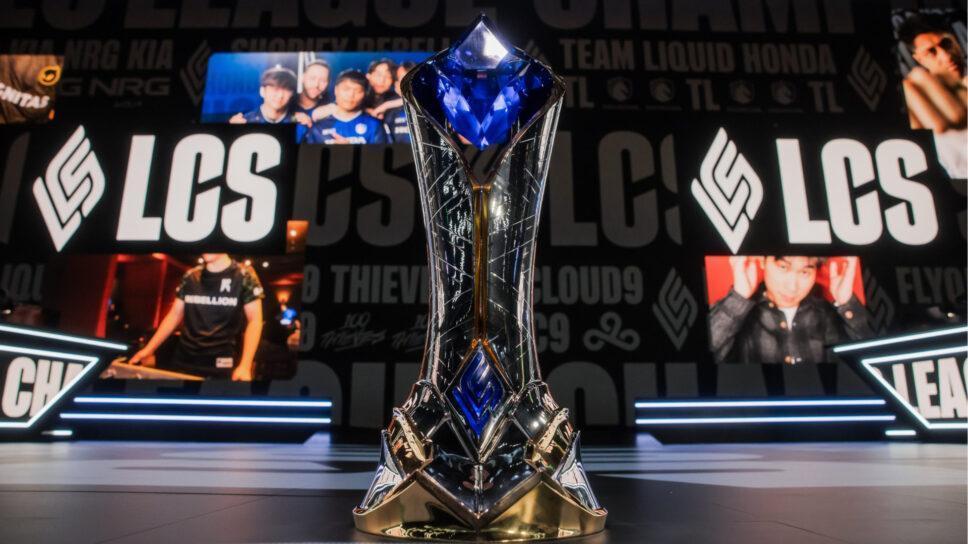
This season, most teams continue to rely on tried-and-tested meta compositions that performed well in the spring splits. However, Team Liquid stand out from the crowd and have forced their opponents to rethink their drafting strategies. At the LCS 2026 Spring, they demonstrated a series of unconventional decisions during the champion selection phase, which not only secured victories but also caused problems for their rivals’ analytical teams.
The matches against Disguised and Shopify Rebellion were particularly telling, as Team Liquid broke away from the usual patterns and emerged victorious. In this article, we’ll explore what Team Liquid brought to the table and how the professional LoL season unfolds.
Why Are Team Liquid’s Drafts Creating Problems For Opponents?
In the modern League of Legends, the draft stage often determines up to 50% of a team’s future success. That is why most teams have qualified coaches and analysts who are engaged in tactical training of the team.
Team Liquid are a prime example of a tactical playstyle and attracted a great deal of attention during the spring tournaments. One of the key factors was the players’ extensive champion pool. Mid-laner Quid and top-laner Morgan repeatedly demonstrated their willingness to use champions who had been virtually absent from the professional scene throughout the spring season. Such decisions make it much harder for opponents to prepare.
According to Liquipedia, in their first summer matches, Team Liquid used a significantly higher number of unique champions compared to the league average. Analysing statistical platforms and lol live results, it is clear that this has had a positive impact on the team’s win rate. Furthermore, thanks to their winning streak, Team Liquid are guaranteed to finish at least third in the LCS 2026 Spring.
Interestingly, many Team Liquid solutions do not look risky for the very effect of surprise. On the contrary, each choice has a clear tactical explanation and fits into the overall map control strategy. When a team is able to play equally comfortable both because of early aggression and because of entering the game, the standard scenarios of opponents stop working.
Flexible Champion Selection as Team Liquid’s Main Weapon
Flexibility has become Team Liquid’s key strength this summer. Whereas the team used to predictably pick only meta champions, the situation has now changed dramatically.
Team Liquid are rethinking champion roles and utilising them in different positions. This forces opponents to spend extra bans and makes it harder for them to formulate their own strategy. A prime example of this was seen in several of Team Liquid’s series in the LCS 2026 Spring, taking place from 4 April to 14 June at the Riot Games Arena in Los Angeles. In the Group Stage, the team finished with a 5-2 record and, in several of their winning matches, utilised champions with unconventional role assignments. Such decisions allowed them to create favourable matchups for key players and execute strategies swiftly.
For example, most matches involving Team Liquid lasted 25-30 minutes, which confirms the team’s focus on fast tempo attacks. So the team selects a draft for this strategy and in the Liquid mappool you can often see Jax, Rumble, Ashe, Pantheon and similar heroes. Personal observation while watching the matches of the summer split shows an interesting pattern: opponents often started the game with obvious uncertainty about exactly how the champions of Team Liquid will be located.
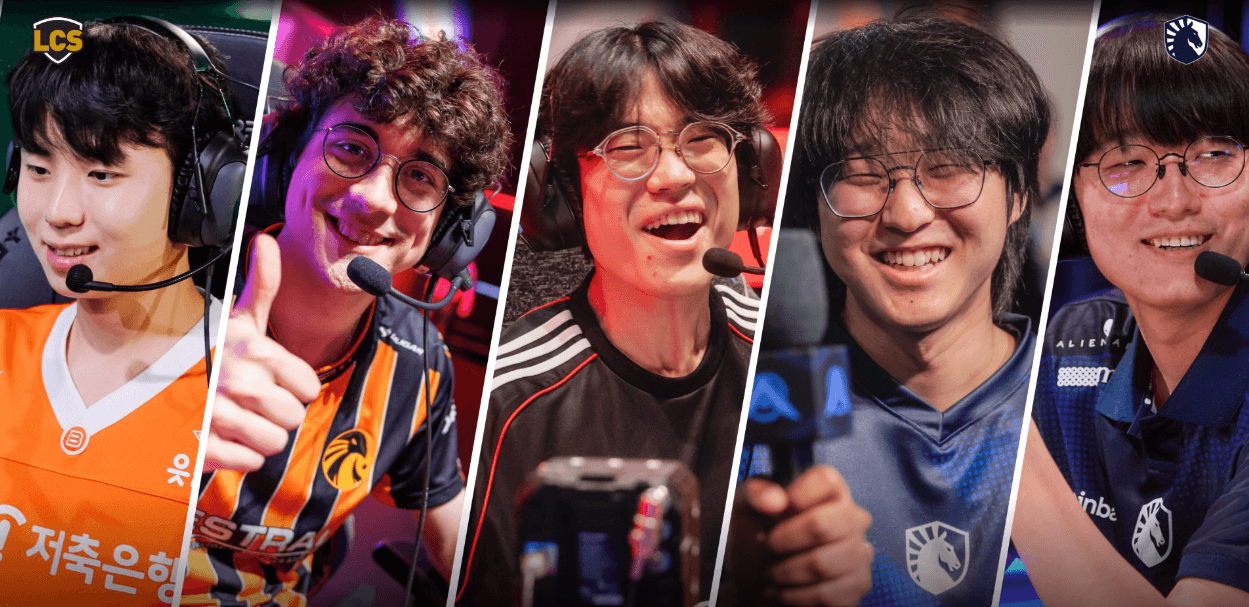
Which Specific Draft Trends Have Team Liquid Introduced During Summer Splits?
One of the most notable trends is the focus on champions with high versatility and strong potential for team fights in the mid-game. Good examples include Gragas, Jax, Sejuani and Syndra.
Rather than strictly adhering to the popular meta, Team Liquid often combines meta picks with less popular choices. This approach allows them to maintain a balance between reliability and unpredictability.
Another important trend was the bet on champions who can quickly get priority on the line and help the team control objects, such as Ahri or Taliyah.
At the same time, it is important to understand that non-standard in itself does not guarantee success. If you look at the LoL competition calendar from Riot Games, you can see that there are several major tournaments ahead, including MSI and Worlds. The previous season, these tournaments proved that the victory is mostly won by stable teams that skillfully honed their own strategies, and the effect of unpredictability works only in a few matches. So, if Team Liquid hones certain aspects of the game and combines high-quality individual performance with unusual team tactics, it will be very difficult for opponents to stop them.
The Global LoL Meta and the Impact of Draft Innovations
The history of the professional League of Legends shows that successful experiments quickly spread throughout the scene. What initially looks like a local feature of an individual team could become the standard for an entire league in a few weeks.
After the successful performances of Team Liquid, their strategies began to copy the LCK, LPL and LEC teams. Each successful non-standard draft becomes additional material for analysis.
It is fair to say that Team Liquid have made a significant contribution to the development of the current meta, which focuses on controlling the pace of the game through prioritising lanes and quickly capturing key objectives. Teams no longer rely on the late game as their primary strategy for victory — the first 15 minutes have become decisive, where an advantage is established through wave pushing, rotations and river control.
In such conditions, flexible drafts and champions with a strong mid-game impact — the sort Team Liquid usually select — have become most valuable. So if the team maintains this trend heading into the summer tournaments, other squads will be forced to expand their players’ champion pools and pay more attention to non-standard preparation scenarios.
Conclusion
The 2026 Summer Splits demonstrated that Team Liquid is capable of challenging for top spots in S-tier tournaments. The team relies not only on the individual skill of its players, but also on draft picks and unconventional strategies. Flexible champion picks, unconventional combinations and the ability to adapt to their opponents have given the team a significant competitive edge. Whilst most tournament participants are searching for the optimal response to the current objective, Team Liquid is actively setting its own rules of the game.
More Stories
FutureTechGirls.com Gaming: A Practical Guide To Games, Community, And Getting Started In 2026
FutureTechGirls.com: Why Gaming Rocks — How Female Gamers Are Shaping Tomorrow (2026)
Why Gaming Rocks: How FutureTechGirls Is Powering Play, Skills, And Careers In 2026