
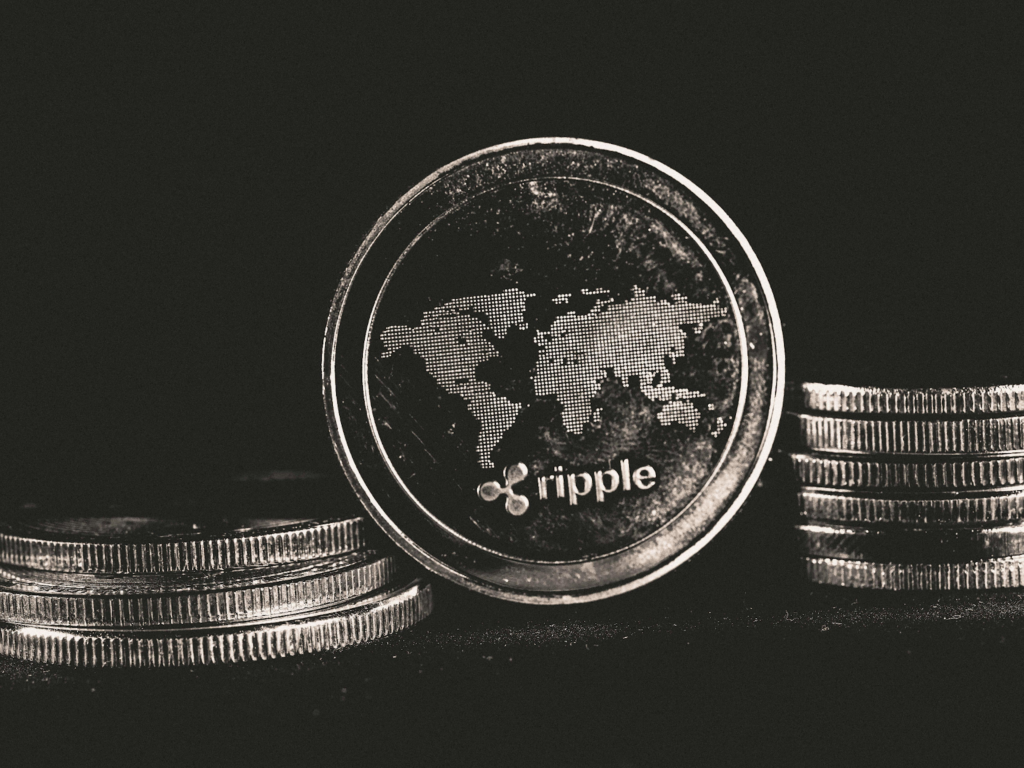
In 2026, cryptocurrencies are not just speculative assets. They are increasingly becoming part of real-world business infrastructure. Among these, XRP has been turning out to be one of the most practical digital assets for enterprise use, particularly in cross-border payments and financial operations.
Global businesses have been looking for more efficient ways of moving money, especially with traditional finance methods proving to be more expensive and slower. In the midst of that, blockchain technology has swooped in to become the bridge for efficiency, speed and cost. And mark you, XRP has a major part in the dance! Now, businesses are handling their financial matters in a different way, courtesy of integrating XRP into their systems.
Today, it has become a common thing to see businesses closely keeping track of the changes in the XRP price USD on a daily basis. They don’t want to miss out on whatever benefits that might be coming their way. But why is this the case?
The Transformation Of Cross-Border Payments
One of the biggest drivers of XRP adoption has been its role in transforming cross-border transactions. The digital asset has adapted to the developing financial conditions and found a way to ease transactions over borders.
Rachel Conlan, CMO of Binance, stated, “ In traditional systems, influence is often accumulated over decades through institutional hierarchy. In digital assets, leadership has often been earned through expertise, adaptability, and the ability to operate in a fast-moving environment where the rules are still being written.” XRP is one of the tokens that clearly illustrates leadership in digital assets.
You see, traditional systems like SWIFT are often slow and expensive, but XRP has come in as a bridge to offer a faster and cheaper alternative. Well, XRP operates on XRP Ledger, known for its speed (3-5 seconds for a transaction to finish), scalability (1,500 TPS in comparison to Bitcoin’s 5-7TPS) and low cost. The vision of Ripple is to replace or complement the SWIFT system, which is the backbone of international payments currently.
To move funds through international borders, using traditional systems like SWIFT would require banks to hold foreign currencies in multiple countries. However, XRP offers a better alternative. Banks could hold XRP to manage real-time currency conversions and settlement. This eliminates the need for pre-funded accounts, which, historically, have tied up billions in liquidity.
For example, if a US business wants to pay a supplier in Kenya, they would do so using RippleNet. Here, the dollars are converted to XRP, sent across the globe in a matter of seconds, then converted into Kenyan shillings on the other side. The best thing about this is that it happens in one transaction. No need for intermediaries, which make transactions even more costly.
Rising Institutional Adoption
Institutions have been adopting XRP at a significant rate in 2026. For instance, in mid-march 2026, XRP’s market cap reached approximately $93 billion. This allowed it to briefly surpass BNB as the fourth-largest crypto. This just shows how strong the demand is and how relevant the token is to the financial ecosystem.
More importantly, adoption is no longer a theory. Financial institutions in various regions, like Japan and South Korea, are actively integrating XRP into remittance corridors. It is to demonstrate that the token has more real-world use cases beyond speculation.
Recently, a bank executive stated that the next financial crisis might come from crypto, especially because of Bitcoin. However, the executive claimed that the only crypto he believed in was XRP because it could realistically appeal to banks for mainstream adoption. Even though this is just an opinion, it clearly shows that this token has an intriguing appeal to the financial sector. The best thing about it is that it can easily merge with the existing financial frameworks in institutions. According to some financial experts, XRP remains the most “bankable” crypto.
Even as institutions continue to embrace XRP, industry experts say that the token has the potential to reach four-digit price levels. Commentary from the Paul Barron podcast, featuring Jake Claver, stated that with a full institutional adoption framework, the token might reach a price of $1000.
According to Franklin Templeton’s Roger Bayston, this would happen if businesses actually integrated the network to solve their problems. Bayston stated that many institutions are yet to understand how they can use distributed ledger technologies.
Expanding Beyond Payments
Treasury operations have increasingly been integrating XRP in 2026. This marks a significant shift in how businesses manage liquidity and financial risk. You see, the traditional way used by corporate treasurers has always been working with multiple bank accounts across various jurisdictions. These accounts hold idle capital in different currencies. However, XRP is helping streamline this process through blockchain-based treasury solutions.
If you thought that the integration of XRP was just a theory in treasury workflows, then think again. Take, for instance, Ripple’s On-Demand Liquidity (ODL) service, which relies on XRP. The service processed at least $1.3 trillion in transactions in Q2 of 2025. Additionally, more than 300 financial institutions all over the world now use RippleNet, and about 40% of them are active users of XRP for ODL.
With the growing use of XRP, businesses are embracing blockchain solutions that offer real, measurable benefits. XRP is well-positioned to meet the needs of more efficient financial systems, especially cross-border transactions and liquidity management. If the current trends continue, the token could play a significant role in shaping how businesses move money in the coming years.
More Stories
Rainbet Promo Code – Get 100% Deposit Bonus up to $2,100 + 60 Free Spins
Regulatory Compliance Failures Kill B2B Enterprise Deals
5 Big Reasons why VIP Casino Players Want a New Platform