
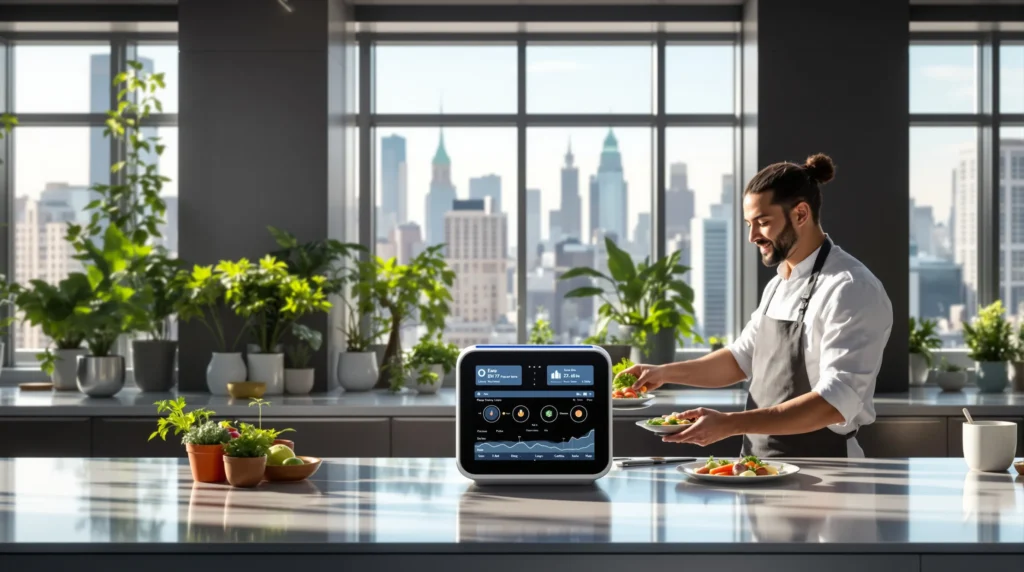
Picture this: You walk into a buzzing hall in San Francisco, and the first thing you notice isn’t the tech—it’s the smell. Roasted mushrooms, sizzling plant-based burgers, and a whiff of something you can’t quite place. That’s the magic of Future Food Tech San Francisco. It’s not just a conference; it’s a living, breathing kitchen where the future of food gets cooked up in real time. If you’ve ever wondered what you’ll be eating in five years—or who’s making those decisions—this is where you find out.
Why Future Food Tech San Francisco Matters
Let’s get real. Food isn’t just about taste anymore. It’s about climate, health, and what’s possible when science meets appetite. Future Food Tech San Francisco brings together scientists, chefs, investors, and dreamers. They’re not just talking about the next big thing—they’re making it, tasting it, and sometimes failing spectacularly. If you care about what ends up on your plate, this event is your crystal ball.
Who Shows Up—and Why It’s a Big Deal
At Future Food Tech San Francisco, you’ll bump into everyone from startup founders pitching lab-grown salmon to global food giants hunting for the next snack trend. Investors circle the room, napkins in hand, looking for the next Impossible Foods. And yes, there are skeptics—people who’ve seen a hundred “miracle” products flop. The stakes? Billions of dollars and the future of what we eat.
What’s Actually Cooking? The Trends You Can Taste
Let’s break it down. Here’s what’s sizzling at Future Food Tech San Francisco:
- Precision Fermentation: Imagine cheese without cows. Companies use microbes to make real dairy proteins, minus the animal. It’s not science fiction—it’s on crackers at the event.
- Cell-Based Meat: If you’ve ever felt guilty about steak, you’re not alone. Startups here grow real meat from animal cells, no slaughter required. The taste? Surprisingly close, though the price still stings.
- Upcycled Ingredients: Ever tried chips made from leftover pulp? Waste isn’t just a problem—it’s a business model. Brands show off snacks that turn yesterday’s scraps into today’s treats.
- AI in the Kitchen: Artificial intelligence isn’t just for self-driving cars. At Future Food Tech San Francisco, AI helps create new flavors, predict trends, and even design recipes that hit the sweet spot between healthy and craveable.
What Nobody Tells You: The Flops and Fails
Here’s the part nobody tells you: Not every idea at Future Food Tech San Francisco works. I once watched a panel where a founder admitted their algae-based yogurt tasted like “pond water with a hint of regret.” The crowd laughed, but the lesson stuck. For every product that makes it to your grocery store, dozens never leave the kitchen. That’s the price of real progress—lots of taste tests, some awkward silences, and a few brave souls willing to admit when something just doesn’t work.
Who Should Pay Attention—and Who Might Skip It
If you’re a food entrepreneur, investor, or just a curious eater, Future Food Tech San Francisco is your playground. You’ll find inspiration, hard truths, and maybe your next business partner. But if you’re looking for old-school comfort food or hate the idea of tech in your kitchen, this might not be your scene. The event is for people who want to taste the future, not just read about it.
Lessons from the Front Lines
I’ll be honest: I once thought plant-based eggs were a joke. Then I tried a scramble at Future Food Tech San Francisco that tasted better than the real thing. The chef told me they’d failed a dozen times before nailing the texture. That’s the secret sauce here—persistence, humility, and a willingness to admit when you’re wrong. If you’ve ever struggled to get a recipe right, you’ll fit right in.
What’s Next? The Future on Your Fork
Here’s why this matters: The ideas born at Future Food Tech San Francisco don’t stay in San Francisco. They show up in your local grocery store, your favorite restaurant, and maybe even your own kitchen. Think about oat milk. Five years ago, it was a curiosity. Now, it’s everywhere. The same could happen with cell-based chicken or AI-designed snacks.
Actionable Tips for Food Innovators
- Taste Everything: Don’t judge a product by its pitch. The best surprises come from unexpected places.
- Ask Hard Questions: What problem does this solve? Who will actually buy it? If you can’t answer, keep working.
- Embrace Failure: Every flop is a step closer to something that works. Share your mistakes—they’re more valuable than your wins.
- Build Real Connections: The best deals happen over shared snacks, not just business cards.
Final Thoughts: The Real Taste of the Future
If you’ve ever wondered what the future tastes like, Future Food Tech San Francisco is where you find out. It’s messy, exciting, and sometimes a little weird. But that’s the point. The future of food isn’t just about new products—it’s about new ways of thinking, eating, and connecting. So next time you see a strange new snack on the shelf, remember: Someone in San Francisco probably took a bite first, made a face, and decided to try again. That’s how progress happens—one taste test at a time.
More Stories
Crypto Casinos Featuring Live Speed Baccarat Games in 2026
Future Tech Sunglasses: Are We Ready for the Next Vision?
Fortnite Tech Future Pack: Here’s What We’re Excited About