
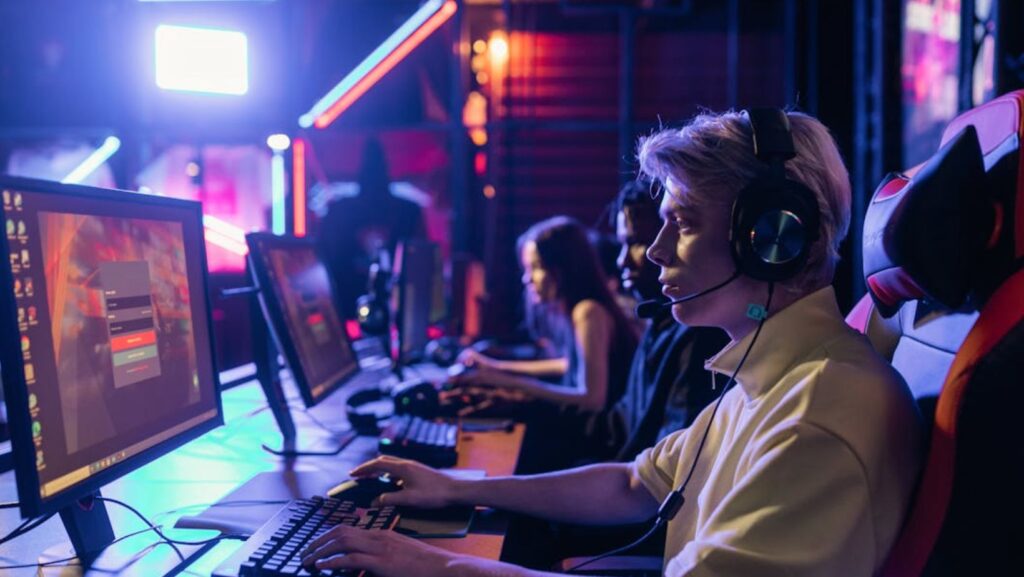
Ensuring Safety when Gaming Online
Online gaming can be an exciting and safe way for your child to have fun and socialize. Safety when gaming online has become one of the most pressing concerns for parents and guardians. As more children play multiplayer games, the dangers have increased.
The best part?
By implementing a few key safety features when gaming online features, you can protect your family from online predators. You can set up most of these features for free and easily.
What You’ll Learn
- Why online gaming safety is more important than ever
- The real dangers your child faces in games
- 5x essential safety features every parent must know
- How to create a safe online gaming environment
Why Online Gaming Safety is More Important Than Ever
Gaming has never been more popular.
According to NIH research, over 90% of children over 2 years old play video games. Children 8-17 years old play games for an average of 1.5 to 2 hours per day.
That is a lot of screen time.
And the problem is…
Online games put your child in front of strangers from around the world. While most gamers are good people, predators use these platforms to target young people. According to recent NCMEC reports, online enticement reports rose from 292,951 to 518,720 in six months between July and December of 2025.
Families have even started to take legal action to deal with the problem. A well-known Roblox sexual abuse lawsuit shows how gaming platforms have failed to provide an adequate level of online safety in the gaming environment. The cases have exposed that predators actively target children using chat features and private messaging.
Pretty alarming, huh?
This is why online gaming safety must be your number one priority.
The Real Dangers Your Child Faces in Games
Before you start learning about the solutions, let us take a look at the threats. These are the main dangers kids face when gaming online:
Online Predators
Predators use gaming platforms to groom and manipulate children. They slowly build trust over time through shared gaming experiences. Then they steer the conversation towards inappropriate topics or try to move the chat to a private space.
Numbers are downright scary here. An estimated 500,000 online predators are active each day. Children 12-15 years old are the most likely to be groomed.
Cyberbullying
Friendly competition can quickly become very toxic. Bullies target gamers through in-game chat, voice communications, and messaging. Harassment can have a real impact on a child’s mental health and self-esteem.
Scams and Malware
Cybercriminals use popular games as bait. They create fake downloads, phishing sites, and scam offers to steal personal information. Young gamers are prime targets for these scams because they want free in-game items.
Inappropriate Content
User-generated content is allowed in many games. This means inappropriate content can slip through moderation. Your child can be exposed to violent imagery, explicit content, or disturbing themes.
5x Essential Safety Measures Every Parent Must Know
Here are some proven strategies to improve online gaming safety for your family. Choose a few you like and start putting them into practice right now.
Use Parental Controls
Parental controls are available on every major gaming platform. They let you do all of the following:
- Restrict who can communicate with your child
- Block inappropriate content
- Limit gaming time
- Disable in-game purchases
- Control friend requests
Set them up before your child starts playing and check the settings often as platforms update features.
Keep Gaming in Shared Spaces
Location is more important than you might think.
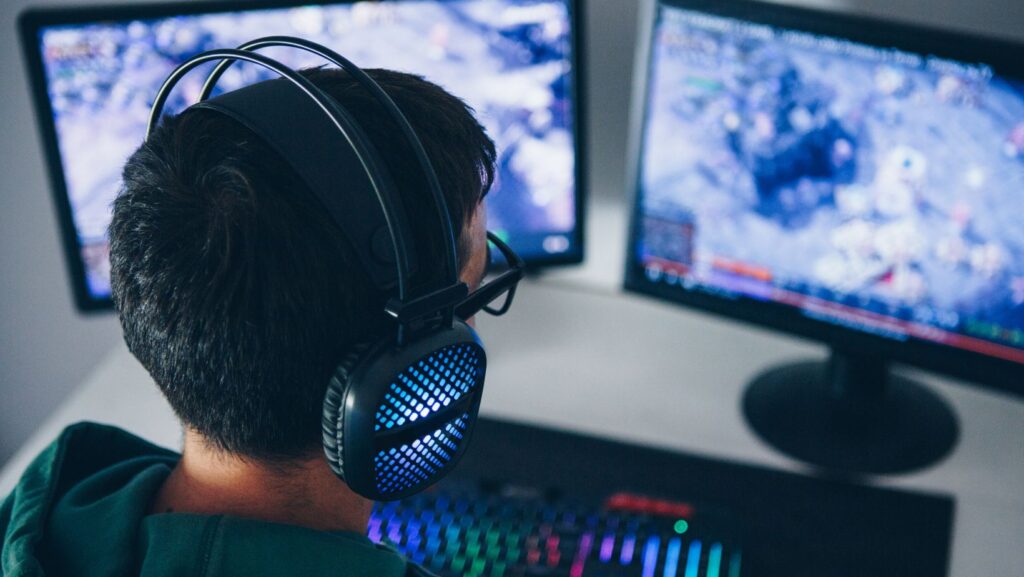
Keep all consoles and computers in common spaces like the living room. Shared spaces make it easy to monitor what your child is doing and who they are talking to.
Keep children from gaming alone in their bedrooms. The presence of a parent in the same room will deter predators and hold children more accountable.
Have Open Conversations
Talk to your kids about online safety. Help them to understand what grooming looks like and why they should not share private information with strangers.
Ensure that they know all of the following:
- Never share real names, age, school, and location
- Never send photos or videos to strangers online
- Always tell a trusted adult when something feels wrong
- It is perfectly fine to block and report suspicious players
Children who are informed of the risks are much better equipped to protect themselves.
Monitor Gaming Activity
Parents must be involved in their child’s gaming life.
Know which games they play and with who. Create accounts on the same platforms so you know what the experience is like first hand. Some parents even play the games with their kids.
Keep an eye out for the following warning signs:
- Secretive behavior around gaming
- New online friends your child will not talk about
- Receiving gifts or in-game items from unknown players
- Emotional changes after gaming sessions
Verify Age Ratings and Reviews
Not all games are appropriate for children.
Check the age rating before downloading or buying a game. Read reviews from other parents regarding safety. Check if the game has chat features or multiplayer modes.
Teen and adult-rated games often contain content that is not suitable for younger kids.
How to Create a Safe Online Gaming Environment
Building a safe online gaming environment takes work. Follow this simple framework for better safety when gaming online for your family:
- Start with device and gaming platform settings. Configure parental controls on every device and account to create a safety net.
- Establish clear rules and expectations. Set boundaries around playing time, acceptable games, and online conduct. Write them down and review them regularly.
- Stay informed and educated about new games and platforms. New games are constantly released, and you must keep up to understand the risks.
- Build trust so your child feels comfortable reporting issues. Respond calmly when your child reports problems to encourage them to keep telling you things.
Online gaming safety does not mean banning gaming altogether. Games can be fun, educational, and social if played safely.
Summing It All Up
Safety when gaming online requires focus, education, and the right tools. The threats are real, but so are the solutions.
Let us quickly recap:
- Set up parental controls on all devices
- Keep gaming in shared spaces
- Have regular conversations about online safety
- Monitor who your child is interacting with
- Check age ratings and read reviews before downloading games
Online gaming worlds can be dangerous for children. Predators, scammers, and bullies all lurk there.
The thing is…
With the right precautions, you can allow your kids to have fun gaming while still protecting them. Start with one or two safety features today and build from there.
Your child’s safety is worth the effort.
More Stories
Why Sports Betting Is Gaining Popularity Among Young People in Bishkek
Why Casino Platforms Invest In Safer Payment Design
Helpinus Explained: The Practical Guide For English-Speaking Web Visitors (2026)